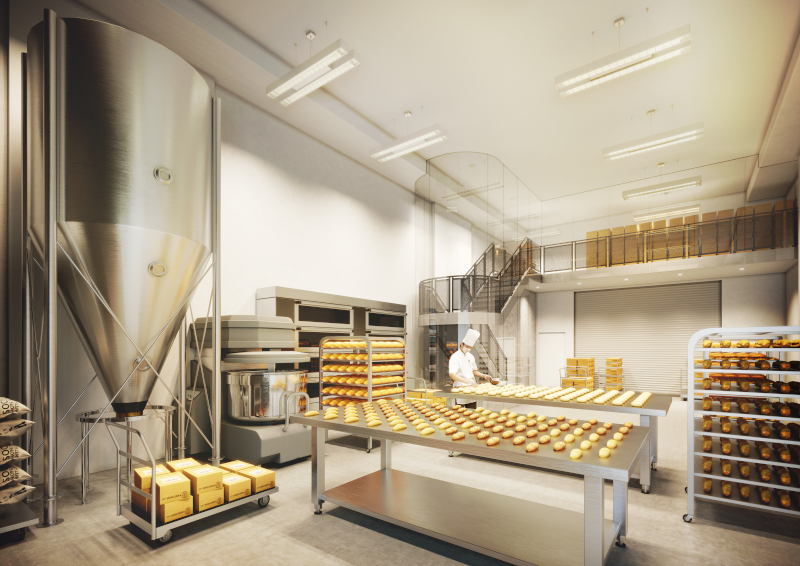
The industrial property sector is seeing big changes. Food factories are becoming a hot investment spot. This is because more people want quality food and efficient supply chains.
As the food industry grows, investors see the value in food factories. The right setup and location can lead to great returns over time.
Key Takeaways
- The demand for food production and processing facilities is increasing.
- Food factories are becoming a valuable investment opportunity in the industrial property sector.
- Strategic location and infrastructure are crucial for the success of food factories.
- Investors are recognizing the potential of food factories as a long-term investment.
- The food industry’s evolution is driving the growth of food factories.
The Growing Importance of Food Factories in Today’s Economy
The world’s population is growing, making food factories more crucial. More people mean more food needs. This is why food factories are key in the commercial property world.
Food factories are not just for feeding more people. They also offer a chance to make money in the industrial property market. Investing in them can bring in good profits, thanks to their role in
The food industry is booming because people want more processed foods. So, food factories play a big role in the supply chain. They are a smart choice for those looking to grow their investments.
In short, food factories are vital today because of the demand for food. As the population grows, so will the need for these factories. They are becoming a top choice for investing in commercial properties.
Why Food Factories Stand Out in the Property Investment Landscape
Food factories are becoming a top choice for investors. They offer steady returns and stay strong even when the economy is down. Unlike homes, food factories don’t swing wildly with the market. They get long-term leases from food companies, making them a reliable income source.
Food factories are known for their steady profits. The need for food doesn’t change much, no matter the economy. This means these factories usually stay busy. Good property management is key to keeping these investments profitable.
Looking at how food factories do in tough times shows their strength. For example, Cal-Maine Foods Inc. has stayed financially healthy even when things were tough. Their ability to keep producing and getting food out shows how solid food factory investments are.
Investing in food factories helps spread out risk. They offer steady returns, which can balance out losses in other areas. This makes them a smart part of a well-rounded investment plan.
How to Research the Food Factory Market Before Investing
Researching the food factory market means looking at several factors. This includes property listings and market trends. It’s key to making smart investment choices. Knowing these details helps find good opportunities and avoid risks.
First, check out current property listings. This shows how many food factories are available and their prices. It helps figure out if there’s a lot of demand or if sellers have the upper hand. Also, looking at market trends can tell you how food factory investments have done in the past and where they might grow.
Good market research needs reliable data. Investors can use online real estate sites, industry reports, and government databases. For example, data on organic food, like that from United Natural Foods, shows the importance of knowing market trends and what consumers want.
Using these resources, investors can really understand the food factory market. This knowledge helps them make better choices, spot new chances, and deal with the market’s challenges more confidently.
Essential Features to Evaluate in Food Factory Properties
When looking at food factory properties, it’s key to check a few important things. The property’s state, where it’s located, and if it can be improved or expanded are big factors. These can greatly affect its value and how much money it could make.
It’s important to do a detailed check of the property. Look at the equipment’s condition, the layout, and the overall setup.
Inspection Checklist for Potential Buyers
For a full check, buyers should use this list:
- Condition and age of manufacturing equipment
- Compliance with health and safety regulations
- Potential for expansion or redevelopment
- Environmental concerns or liabilities
By looking at these key features and using the checklist, buyers can make smart choices. This helps when investing in food factory real estate.
Step-by-Step Guide to Evaluating Food Factory Investment Opportunities
Looking into a food factory as an investment means checking some key numbers. You need to look at the property’s location, condition, and how much rent it could make. These are important to see if it’s a good investment.
The first thing to do is check how much money it can make. Look at the current rent and if you can get more tenants. Knowing what people want in food production places is key here.
Cap Rate Analysis Specific to Food Production Facilities
Cap rate analysis is a big deal for figuring out a food factory’s investment potential. It’s found by dividing the property’s net income by its market value. A higher cap rate means more return, but it might also mean more risk.
When you use cap rate for food factories, think about what makes them special. Things like the facility’s age, the equipment, and energy use affect the cap rate. By looking at these, you can make smarter choices about your investment.
In short, to check if a food factory is a good investment, you need to look at cap rate, rental income, and other financial stuff. This guide helps you see if a food factory is a good rental property. It helps you make better investment choices.
How to Secure Financing for Your Food Factory Property Investment
Investing in food factory properties needs the right financing to succeed. These investments require a lot of money. It’s important to know your financing options well.
Start by checking your financial situation and credit score. Lenders look at your credit history, the property’s value, and rental income potential. A good financial standing can get you better loan terms.

The Small Business Administration (SBA) has loan programs for food factory purchases or renovations. These loans are great because they often have low down payments and long repayment times. SBA loans are a good choice for investors looking to finance their investments.
Good property management is key when investing in food factory properties. It means handling daily operations, keeping the property in good shape, and following rules. Efficient management can increase your investment returns and reduce risks.
Effective Management Strategies for Food Factory Properties
To keep food factory properties successful, using good management strategies is key. This means taking care of the property, making sure it runs well, and avoiding risks.
Preventative maintenance is very important. It keeps the property and its equipment working longer and saves money on repairs.
Preventative Maintenance Schedule Template
A good maintenance schedule is essential for managing properties. Here’s a basic template for food factory properties:
Keeping records of maintenance, inspections, and repairs is also important. It helps plan for the future and follow rules.
Staying current with new technologies and practices is also crucial. This includes using energy-saving solutions, reducing waste, and meeting safety standards.
In summary, managing food factory properties well needs a proactive and detailed approach. Focus on maintenance, stay updated with industry trends, and maintain high standards. This way, investors can get the most out of their investments in the food factory sector.
Overcoming Regulatory Hurdles in Food Factory Ownership
Getting through the complex rules is key for owning a food factory. Investors must follow many rules about food safety, the environment, and workers. Knowing these rules is the first step to clear the hurdles.
One big challenge is following food safety rules. This means having strict quality checks and keeping good records. Getting help from regulatory consultants can guide investors on what’s needed for their place.
Working with Regulatory Consultants and Legal Experts
Regulatory consultants and legal experts are very important for food factory owners. They help with following rules, talk to government bodies, and find ways to avoid problems. Their knowledge is crucial to keep the investment in line with laws.
By keeping up with market trends and knowing the rules, investors can make better choices. This careful planning can lower risks and help the food factory succeed in the long run.
Portfolio Diversification with Food Factory Properties
Adding food factory properties to your investment portfolio can be smart. It helps balance and strengthen your investments. By including industrial properties, you can lessen your dependence on usual real estate types.
Investing in food factories lets you enter the industrial property market. This market can be different from others. It might make your portfolio more stable, as its trends don’t always match others.
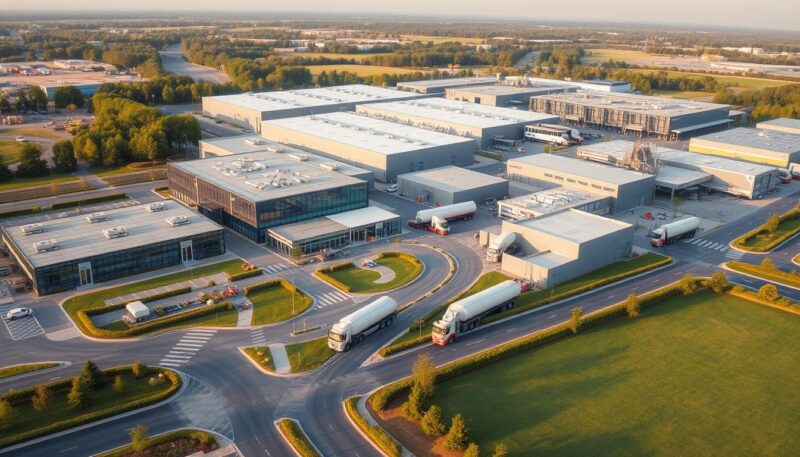
Food factory properties often have long-term leases. This means a steady income for investors. It makes these properties appealing for those wanting reliable returns.
In summary, adding food factory properties to your portfolio is a wise move for diversification. It’s crucial for investors to do their homework and think about their goals before investing.
Positioning Your Food Factory Investments for Long-Term Success
To make sure your food factory investments last, it’s key to manage your commercial property wisely. You should check your rental property’s condition and performance often. This helps you find ways to improve.
Understanding local market trends and your tenants’ needs is crucial for long-term success. Keeping up with market changes and adjusting your strategies helps. This way, you can make the most of your property and stay ahead of the competition.
Keeping your rental property well-maintained and updated is also important. It attracts and keeps good tenants, which means a steady income. By focusing on the long-term, you can grow and make more money in the commercial property market.