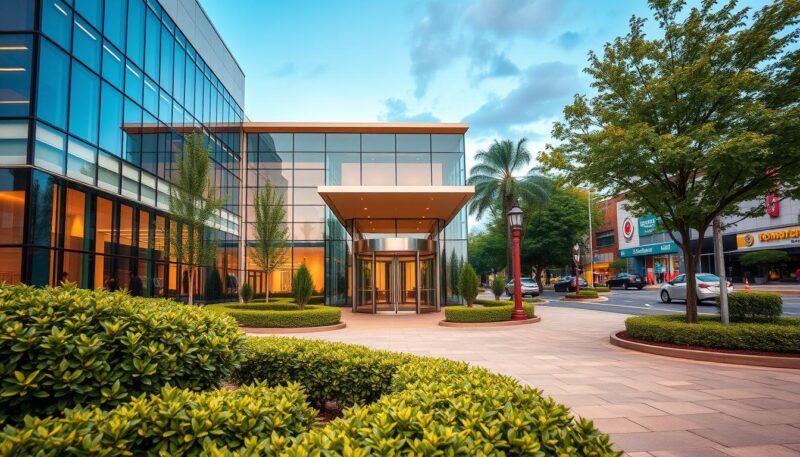
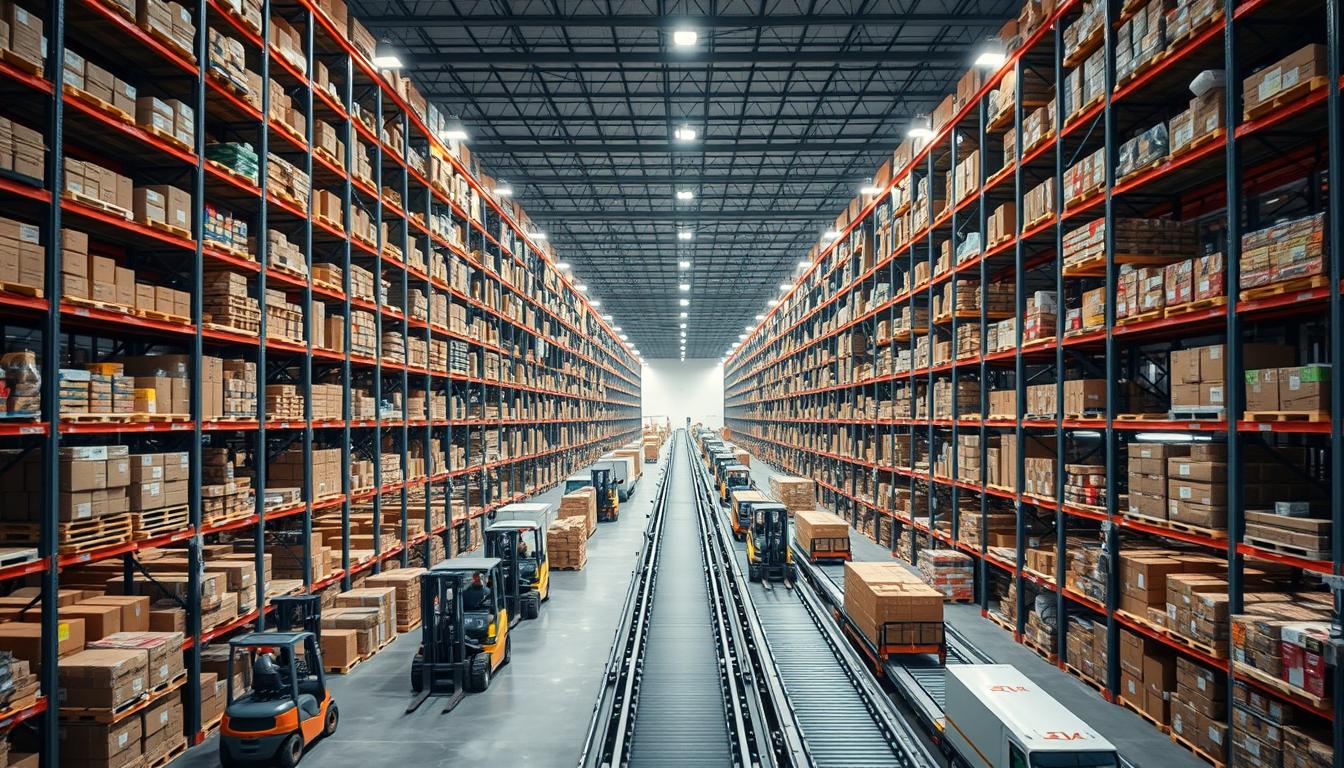
The e-commerce revolution has changed how we buy and sell goods. Now, more people shop online, leading to a big increase in the need for warehouse space.
This change has brought big updates to logistics, distribution, and real estate. E-commerce’s fast growth has changed how businesses work. It has a big effect on the Property market.
So, there’s more demand for warehouses. This is because companies need places for efficient storage and distribution.
Key Takeaways
- E-commerce growth drives demand for industrial warehouse space.
- The shift to online shopping impacts logistics and distribution.
- Commercial real estate is affected by the surge in e-commerce.
- The Property market is transformed by changing consumer preferences.
- Efficient storage and distribution facilities are in high demand.
The Boom of E-Commerce in Recent Years
E-commerce has become a big player in the global retail world. It’s grown fast thanks to new tech and how people shop. Soon, over 2.6 billion people will be buying online, showing how fast it’s growing.
In the last ten years, big names like Amazon, Walmart, and Alibaba have changed the game. They’ve made how businesses work and talk to customers very different. This big change has also made the commercial property market grow, with more need for warehouse space.
E-commerce keeps growing, changing the property market a lot. Now, finding the right warehouses and distribution centers is key for businesses. They need these places to stay ahead in the market.
The rise of e-commerce is not just making more demand for commercial property. It’s also changing what kinds of properties are wanted. Now, modern warehouses with the latest in logistics are in high demand. They help businesses manage their supply chains well and keep their customers happy.
The Relationship Between E-Commerce and Warehousing
Warehousing is key in the e-commerce world, making order fulfillment smooth. E-commerce needs big warehouses to store and ship products to customers. These warehouses use advanced tech to work better.
Fulfillment centers are near customers to cut down on shipping time and cost. Being close helps e-commerce companies meet demand fast. This makes investing in property very important.
E-commerce and warehousing go hand in hand. As e-commerce grows, so does the need for better warehouses. This push for better warehouses leads to more tech and automation. So, more money is spent on building new properties.
Modern warehouses focus on being efficient and saving money. They use smart inventory systems and automated storage. These features help e-commerce stay ahead.
In short, e-commerce and warehousing are closely linked for success. As e-commerce changes, the need for good warehouses will keep growing. Understanding this link helps everyone in the e-commerce world.
Increased Demand for Warehouse Space
E-commerce growth is leading to more demand for warehouse space. This is causing rental prices and construction costs to rise. The need for warehouse space is growing faster than the supply, mainly in areas with good transportation.
Cities with strong transportation networks are seeing a big increase in warehouse demand. This is because of the need for efficient logistics and supply chain management. The logistics industry is moving towards better property management. This ensures warehouses are used to their full potential.
The role of residential property in the logistics industry is important. As cities grow, the closeness of homes to warehouses matters a lot. Property management companies are adjusting by improving warehouse locations and operations for e-commerce needs.
Regional trends show that areas with lots of people and good transport links are seeing the biggest rise in warehouse demand. This trend is likely to keep going, thanks to e-commerce growth and the need for efficient warehouses.
Good property management is key in this situation. It helps warehouse operators adapt to changing demands and stay efficient.
E-Commerce Logistics: A New Approach
The rise of e-commerce has changed logistics, focusing on fast last-mile delivery and new warehousing tech. As people want quick and reliable delivery, companies are using new strategies to meet these needs.
E-commerce logistics needs a mix of automation, tech, and better supply chain management. Getting products to customers fast is key. Companies use route optimization software and other methods to improve delivery.
Automation and tech in warehousing are also key. Automated systems, robotics, and data analytics make warehouses more efficient and cost-effective. The value and location of warehouses are also important for logistics.
Property valuation is crucial in e-commerce logistics. It helps companies decide on investments in logistics. The right location of warehouses is also important for fast and cheap delivery.
As e-commerce grows, logistics must keep up with new challenges and chances. Using new tech and strategies helps companies improve logistics, please customers, and stay ahead in the market.
The Role of Omnichannel Retailing
Omnichannel retailing has changed the retail world. It needs flexibility and quick action in how goods are moved. This means using online, offline, and mobile shopping together for a smooth experience.
Stores must have strong logistics to manage different shopping ways. This means they need more warehouse space. Warehouses are now key for packing orders, handling returns, and keeping track of stock.
The real estate market is key for omnichannel retailing. Stores need warehouses close to transport and people. This has made warehouse spaces in good places more valuable and expensive.
Also, stores are using new tech and automation in their warehouses. This includes robots, AI, and data tools. They help make warehouse work better and make customers happier.
In short, omnichannel retailing is changing the retail world. It’s making warehouses more important. As stores keep improving their omnichannel skills, they’ll need more flexible and tech-savvy warehouse spaces. This will keep affecting the real estate and property market.
Environmental Considerations in Warehousing
The rise of e-commerce has made sustainable warehousing more important. As online shopping grows, companies are focusing on green practices. They aim to cut down on carbon emissions and use energy wisely.
Green-certified warehouses are becoming more popular. These spaces use eco-friendly materials and systems to reduce waste. Developers are building these warehouses, seeing the benefits for the planet and their business.
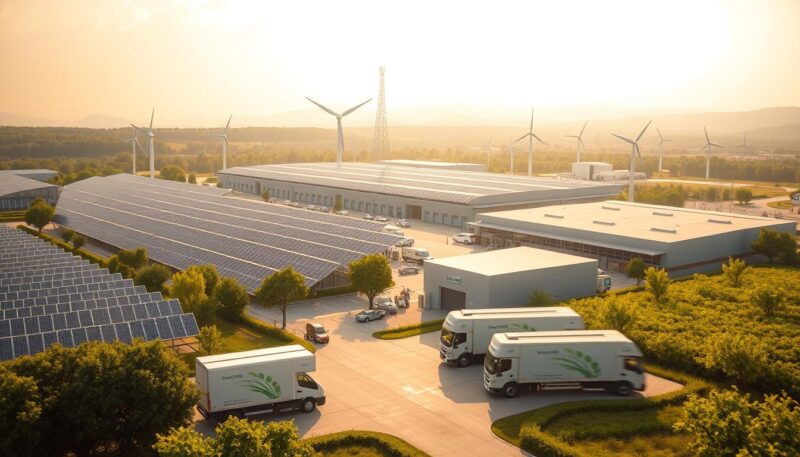
Investment in green warehouses is key for e-commerce. Developers who focus on sustainability attract eco-conscious companies. This move helps the planet and gives them a market advantage.
Warehouses are now designed with the environment in mind. They include solar panels and systems to collect rainwater. These features cut down on costs and environmental harm.
In summary, the environment is a big deal in warehousing today. E-commerce growth and the need for green practices are driving change. We’ll see more eco-friendly warehouses as property development keeps evolving.
The Future of Warehousing and E-Commerce
The future of warehousing is linked to e-commerce growth. Innovations in logistics are key. As e-commerce expands, more warehouse space is needed for quicker order fulfillment.
Property and property management will be vital in this growth. Modern, tech-savvy warehouses will be essential. Automation and AI will shape the industry’s future.
Advanced technologies in warehousing will boost efficiency and customer satisfaction. Good property management means warehouses are in the right place, well-kept, and productive.
The warehousing industry must keep up with e-commerce changes and tech advancements. This way, it will support e-commerce’s ongoing growth.
Challenges Facing Warehouse Management
Managing warehouses is getting harder because of more online shopping. This has led to more goods needing storage and shipping. Warehouses are feeling the pressure.
Inventory management is a big challenge. With more online orders, warehouses handle more small orders. This makes tracking inventory harder. To solve this, companies use advanced systems to keep track of products and fill orders fast.
There’s also a shortage of skilled workers. This shortage can cause delays and higher costs. To fix this, companies are training their workers and looking for new talent.
The need for warehouse space is growing. This affects the value of nearby homes. Knowing the value of these properties is key for investors and developers.
Technology, like automation and data analytics, helps solve these problems. Automation makes things more efficient and saves money. Data analytics gives insights into inventory and operations.
In short, managing warehouses in the e-commerce age is tough. It involves solving inventory and staffing issues. Using new technologies and planning for property values are key steps.
Real Estate Trends in Warehouse Properties
E-commerce is booming, changing the real estate market for warehouses. Now, there’s a focus on flexible lease deals and the best locations. Companies look at places based on how easy it is to get there and the availability of workers.
Being near big transportation spots is key. It cuts down on delivery times and costs. So, warehouses near ports, airports, and highways are in demand. This shift is making the commercial property scene more about being efficient.
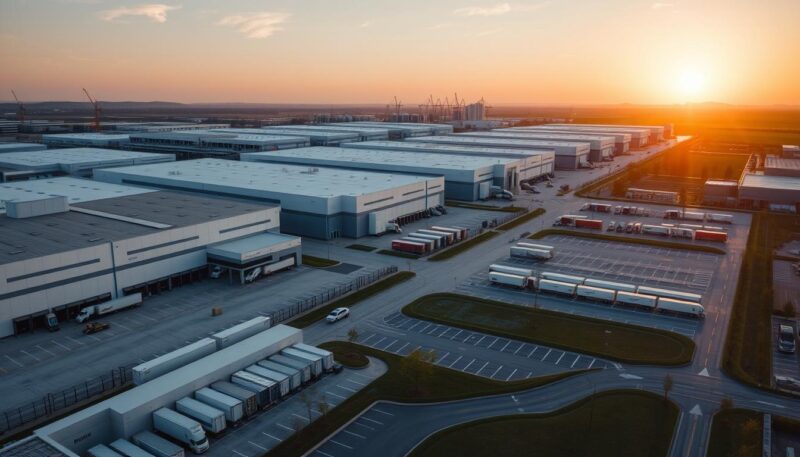
Flexible lease deals are also important. They let businesses adjust fast to market changes. This flexibility helps companies grow or shrink without being stuck in long leases. It’s a big plus in the fast-paced e-commerce world.
In short, the warehouse real estate market is all about the right spots and flexible deals. As e-commerce keeps growing, these trends will keep shaping the commercial property world. They’ll influence how warehouses are built and used.
Conclusion: The Evolving Landscape of Property Demand
The rise of e-commerce is changing the game for logistics and real estate. It’s making warehouses more important and reshaping the property world. Companies need to focus on developing properties to keep up.
E-commerce growth means more warehouse space is needed. Businesses want efficient logistics and supply chains. This change is big for the property market, with property development key to e-commerce growth.
Businesses must watch industry trends like omnichannel retailing and green warehousing. Knowing the property demand changes helps companies make smart property development and investment choices.