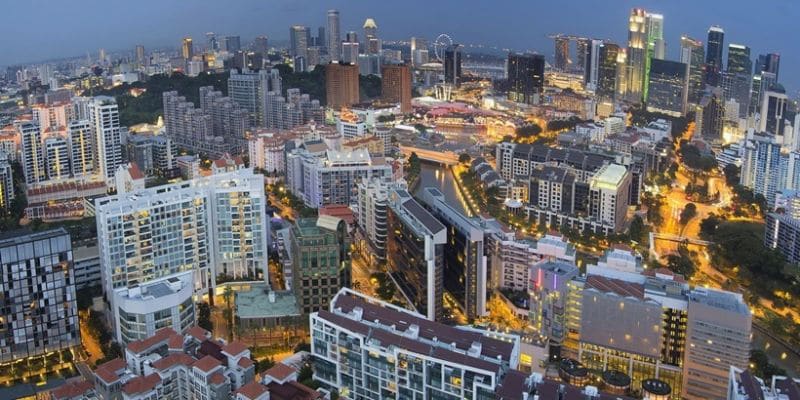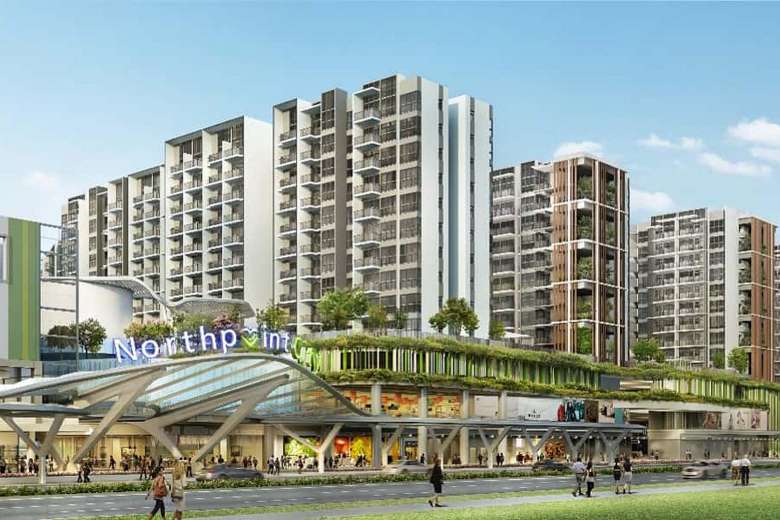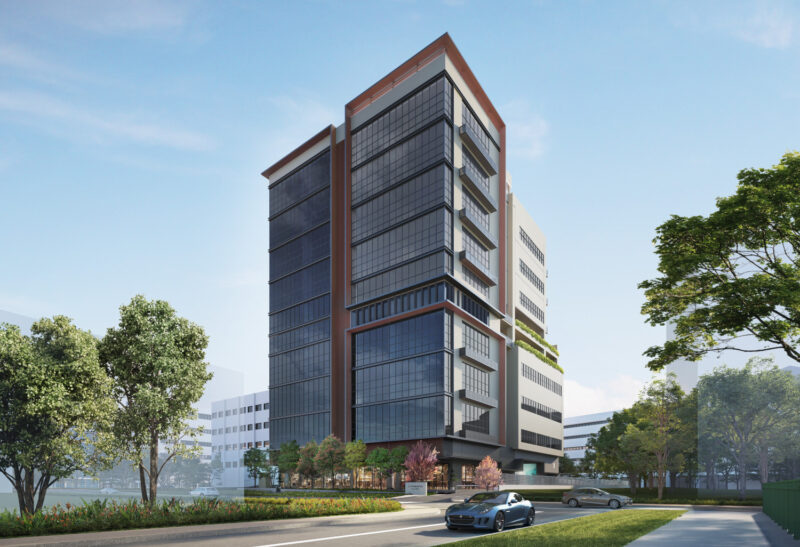
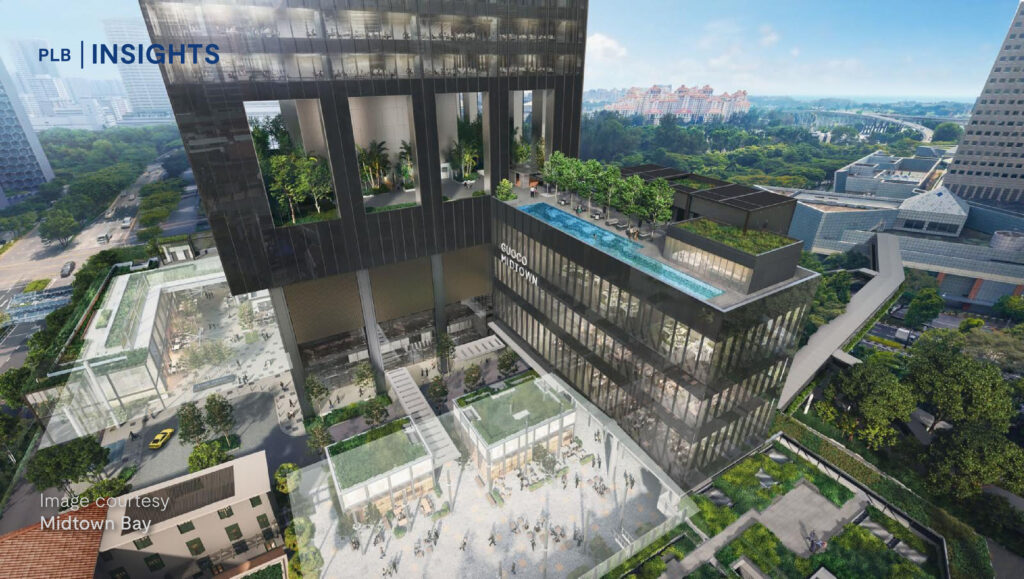
The traditional boundaries between work, life, and leisure are blurring, leading PropNex to identify integrated mixed-use developments as the defining trend for Singapore’s 2026 property market. These projects, which seamlessly weave residential units with commercial spaces like retail shops, offices, and childcare centers, are no longer just a luxury—they are becoming a necessity for the modern urbanite. By offering a “vertical village” experience, developers are answering the growing demand for self-contained ecosystems that reduce the need for long commutes and foster a more efficient lifestyle.
For many homeowners, the primary allure of integrated living lies in the sheer convenience of having essential services just an elevator ride away. PropNex analysts point out that projects featuring a robust commercial component tend to command a premium, as they cater to the “time-starved” professional. Whether it is grabbing a coffee before a morning meeting or picking up groceries on the way home, the presence of on-site retail significantly enhances the daily rhythm of residents. This “convenience factor” has become a powerful psychological driver, often outweighing pure square footage in the decision-making process.
From an investment standpoint, mixed-use developments are proving to be remarkably resilient assets. PropNex highlights that these properties often enjoy higher rental demand and stronger capital appreciation compared to standalone residential blocks. Tenants are increasingly willing to pay a rental premium for the lifestyle perks associated with integrated hubs, such as direct MRT access and immediate proximity to dining and wellness facilities. For investors, this translates into lower vacancy rates and more stable long-term yields, making these projects a defensive staple in a diversifying portfolio.
The rise of “work-from-anywhere” culture has also played a pivotal role in this shift. As hybrid work models become the standard, the home is no longer just a place to sleep; it is a multi-functional space that requires a supportive environment. Mixed-use projects often incorporate co-working lounges or are located near commercial hubs, providing residents with professional spaces outside their four walls. PropNex suggests that this synergy between residential comfort and commercial functionality is what will keep these developments at the forefront of buyer interest throughout the coming year.
Urban planning in Singapore has also evolved to favor these high-density, multi-purpose hubs. The government’s push for decentralization—bringing jobs and services closer to heartland homes—aligns perfectly with the mixed-use model. By integrating commercial components into residential areas in the OCR and RCR, developers are helping to create vibrant “20-minute towns.” This alignment with national planning goals ensures that these projects remain relevant and well-supported by surrounding infrastructure, further boosting their appeal to savvy buyers who look at the bigger picture.
Ultimately, PropNex’s focus on integrated living for 2026 reflects a deeper change in the Singaporean identity: a move toward a more holistic and community-centric way of life. These developments do more than just house people; they create social gravity by bringing neighbors together in shared commercial and recreational spaces. As we move into 2026, the success of the Singapore property market will likely be measured by how well these mixed-use projects can harmonize the complexities of modern life into a single, seamless address.