The term “midlife crisis” often sparks negative connotations, but it can also be a time for reinvention and positive change. The commercial real estate industry is experiencing such a transformation.
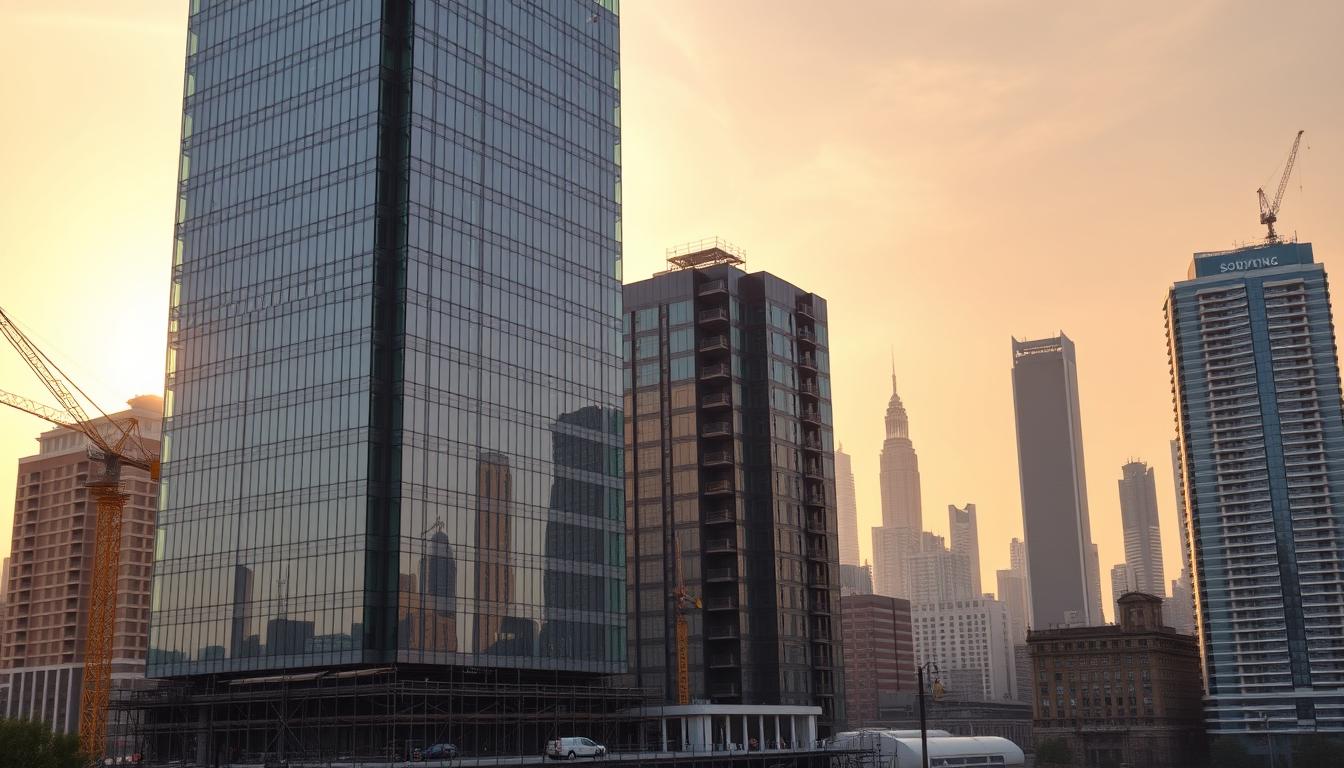
With 68% of the national inventory in the U.S. built before 2000, and over 70% of space in many gateway cities being more than 30 years old, older office buildings are due for a makeover. Redeveloping these properties offers an opportunity for the industry to create more sustainable and modern spaces faster than building new.
Key Takeaways
- Older office buildings are being redeveloped to meet modern standards.
- The majority of the U.S. commercial real estate inventory is outdated.
- Redevelopment offers a chance to create more sustainable spaces.
- Transforming existing properties can be faster than new construction.
- The commercial real estate industry is poised for significant change.
Understanding the Shift in Property Needs
The way we work is changing, and so are our property needs. Today, people want flexibility, sustainability, and modern amenities in their office spaces.
A study by NYU Stern School of Business and Columbia University Graduate School of Business found something alarming. They think U.S. office buildings could lose $500 billion in value by 2029. This shows how urgent it is for property owners and investors to change their ways.
Remote work has made traditional office spaces less popular. This means property owners need to think differently about how to use their spaces. Many are now looking to turn old office buildings into homes or mixed-use projects, including rental properties.
People’s preferences between urban and suburban areas are also changing. With remote work, many are choosing suburban or more affordable housing. This could make these areas great for investment properties.
Modern, flexible, and sustainable office spaces are now key. Property owners and developers are adding green technologies, flexible workspaces, and amenities for employee well-being. This makes rental properties more appealing and helps the environment.
As the property market keeps changing, it’s vital for investors, developers, and policymakers to understand these shifts. By adapting to new workforce needs and exploring opportunities in housing and investment, they can face the challenges of changing office spaces.
The Benefits of Redevelopment
Redevelopment is changing the face of commercial properties. It gives old office buildings a fresh start. This boosts their value and appeal.
One big plus of redevelopment is the chance to raise a property’s market value by up to 120%. This makes the property more valuable and appealing to investors or tenants. Plus, it can extend a property’s life to over 100 years, making it a smart long-term investment.
Redevelopment lets owners add modern features that attract top talent and tenants. This includes advanced facilities, flexible workspaces, and better security. These upgrades help reduce vacancies and draw in high-end clients.
It also makes properties more eco-friendly and energy-efficient. This cuts down on carbon emissions and energy use. It saves money for both owners and tenants.
For property listings, redeveloped commercial spaces are a big draw. They mix old charm with new functionality. This makes them highly sought after, leading to higher rental rates and sale prices. This boosts their appeal to investors.
Economic Factors Driving Redevelopment
The property market is changing fast because of economic factors. People want modern, innovative office spaces more than ever. So, property owners are working to update their buildings to meet this need.
CBRE’s report shows a big increase in redevelopment plans. The U.S. has 81 million square feet of projects underway in 44 markets. This is 1.9% of all U.S. office space, up from 1.7% six months ago. This growth highlights the trend of updating old buildings.
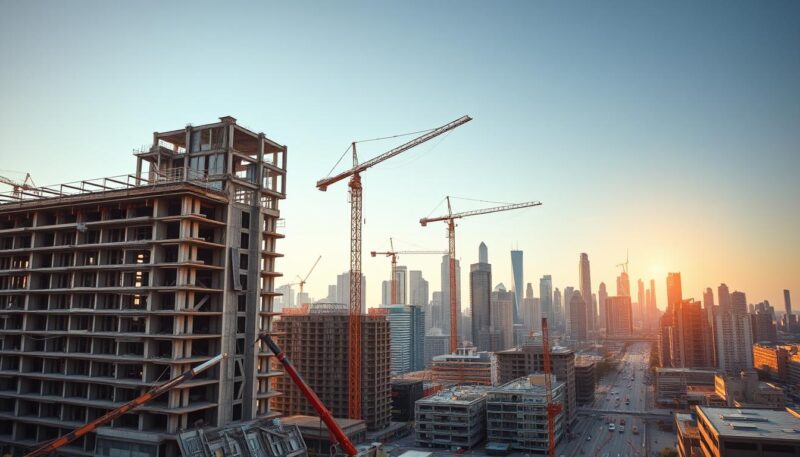
Financing and investment opportunities are helping property owners to redevelop. With more ways to get funding, companies are looking into updating their properties.
Turning old office buildings into new spaces boosts their value. It also makes the area around them more lively. This can lead to more jobs and a stronger community.
As the property market keeps changing, economic factors will keep driving redevelopment. Owners and managers who invest in updates will see their properties’ value and income go up.
Adapting to New Technologies
Adding smart building technologies is crucial for updating older office buildings. It makes the property more appealing to tenants and boosts its value. This includes better connectivity and infrastructure.
Installing energy-efficient systems is a smart move. They cut down on costs and attract green businesses. For example, LED lights, efficient HVAC systems, and smart management systems make the building greener.
It’s also important to improve Wi-Fi and add modern tech. This means fast internet, advanced telecoms, and smart features like auto lights and temperature control. These upgrades enhance the tenant experience and make the property stand out.
Using new tech also means adding IoT devices, data analytics, and smart parking. These tools help run the building better, save energy, and boost efficiency.
By adopting new tech, owners and developers can make older buildings more valuable. This makes the commercial property market greener and more efficient. It also increases demand for these updated properties, driving growth in real estate.
The Role of Government Incentives
As cities grow, government incentives are key in turning commercial properties into homes. These incentives make redevelopment projects more appealing to owners and investors.
Massachusetts’ Commercial Conversion Initiative is a great example. It shows how states actively support turning old office buildings into homes. MassHousing even offers up to $1 million for planning help to make these conversions happen.
Tax breaks and zoning changes are also important incentives. They help turn old office buildings into modern homes. These benefits help property owners and improve city life for everyone.
Government incentives are vital for redevelopment. They provide financial help and ease rules, making projects work. This helps grow the housing supply and beautify cities.
Case Studies of Successful Redevelopments
Across the U.S., many case studies show how old office buildings can become valuable assets. The National in Dallas, Texas, is a prime example. It cost $460 million to turn an empty building into a lively mixed-use spot.
The National turned a vacant office into a bustling area, showing what’s possible in urban renewal. This project proves that such investments can be profitable. It also shows the value of keeping old buildings’ unique features.
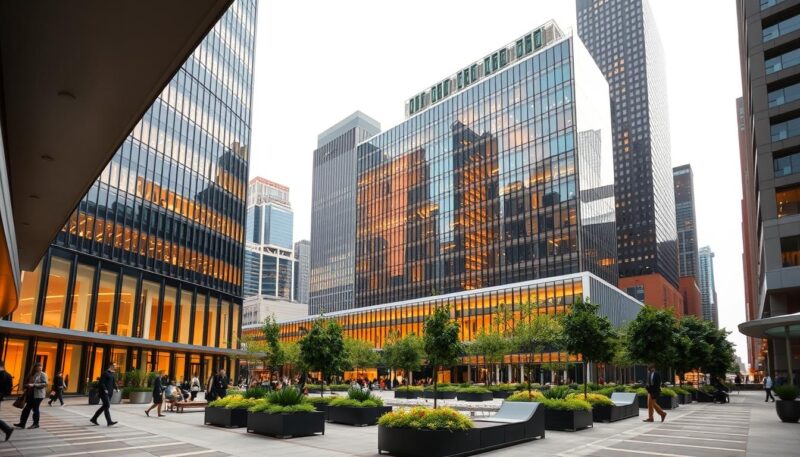
Projects like The National teach important lessons. They show that old office buildings can become active centers. This boosts local economies and improves nearby properties.
These examples also stress the role of good property management. By making unused buildings lively, redevelopment helps shape cities’ futures.
As more old office buildings are redeveloped, learning from these successes is key. It helps guide future investments and property management plans.
Challenges in the Redevelopment Process
Redeveloping commercial property has its own set of challenges. One big concern is budget. These projects need a lot of money for renovations, tech upgrades, and to meet modern building codes.
Another challenge is dealing with regulations. Owners must follow complex zoning laws, environmental rules, and historic preservation guidelines. These can change a lot depending on where you are.
To tackle these issues, careful planning is key. This means doing detailed feasibility studies, working with local authorities, and setting aside money for unexpected costs.
For a successful redevelopment, understanding the property market is crucial. Knowing the current trends and future outlook helps owners make smart choices. This way, they can get the most out of their investment.
Future Trends in Office Space
Hybrid work models are changing how we see office space and its design. Companies are moving towards flexible work setups, changing the office space idea.
Hybrid work models are on the rise, affecting office space demand. Employees now split their time between home and office. This means less need for big, traditional office spaces. Instead, companies want spaces for teamwork, creativity, and new ideas.
Future offices will need to be redesigned for today’s workers. They’ll have more flexible areas, better amenities, and tech to boost productivity and comfort. Offices will feel more like home, where people can work well.
The office design shift will also help attract and keep talent. Companies will aim to create spaces that encourage teamwork, creativity, and well-being. They might add comfort, flexibility, and community areas, like in homes and rentals, to their offices.
As the office world keeps changing, knowing these trends is key. Investors, developers, and companies must adapt to the new work reality.
Conclusion: The Future of Office Property
The future of office property will depend on how well owners adapt to new market trends. As the real estate world keeps changing, being open to new ideas and investing in updates is key. This approach can benefit both investors and those looking for office space.
Updating older office buildings can lead to modern, green, and appealing workspaces. These changes not only increase the property’s value but also help make cities better places to live and work.
The need for flexible and eco-friendly workspaces is on the rise. This makes redevelopment crucial for the future of office properties. Owners and investors who are ready to change and try new things will likely do well in the real estate market.