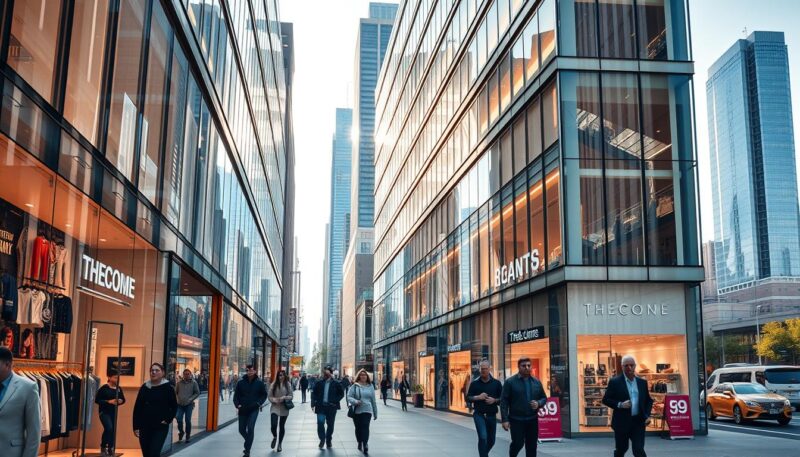

The retail world is changing fast. Stores are now places for experiences, not just shopping. This change comes from how people shop today and the need for something different from online stores.
Stores are turning into places where people can connect and feel things deeply. Mall owners and retailers are making these spaces interactive and immersive. This is key for the real estate world as it meets the needs of today’s shoppers.
Adapting retail spaces is now a big deal in the retail world. It’s affecting the property industry a lot.
Key Takeaways
- The retail industry is shifting towards creating experience destinations.
- Brick-and-mortar stores must offer unique experiences to compete with digital platforms.
- The real estate industry is adapting to the demands of the experience economy.
- Mall owners and retailers are creating interactive and immersive destinations.
- The transformation is driven by changing consumer behaviors.
- Adapting retail spaces is crucial for the property industry.
Understanding the Experience Economy
In the experience economy, companies use services as a stage and goods as props. This idea, brought up by Pine and Gilmore, highlights the need for memorable events. It’s changing retail, with businesses spending a lot on immersive experiences to keep customers coming back.
Success in this economy comes from knowing the trends. Technology is a big part of it, making experiences more interactive and personal. For example, stores use augmented reality to let customers try products virtually, improving their shopping.
Community and social connections are also key. Stores are becoming places for people to meet and connect, not just to shop. This approach boosts foot traffic and loyalty, helping retailers who own their spaces or get good lease deals.
Investment in experiential retail is growing as businesses see the value in memorable experiences. By focusing on the experience economy, retailers can stand out and make more money. As retail keeps changing, understanding and using the experience economy will be vital for businesses to lead.
The Role of Retail Spaces in Experiential Marketing
Retail spaces are key in experiential marketing, creating lasting brand memories. They’ve moved beyond just selling products. Now, they’re immersive places where customers deeply connect with brands.
Good experiential retail builds strong emotional bonds with customers. This makes them more likely to remember their visit and come back. Retail spaces are designed to be both beautiful and interactive. For example, using tech like augmented reality (AR) or virtual reality (VR) makes shopping unforgettable.
Retailers use their spaces for events and workshops, turning them into community centers. This not only brings in more people but also builds loyalty. By creating a community feel, retailers connect with customers on a deeper level.
Strategies for Creating Emotional Connections
To build emotional bonds, retailers use personalized service, interactive displays, and stories. Tailoring the experience to each customer makes the brand more relatable and memorable.
In summary, retail spaces are essential for experiential marketing. They provide a real place for brands to connect with customers. By making experiences immersive and engaging, retailers build loyalty and advocacy. Whether through tech, events, or personalized service, retail’s role in marketing is vital for success.
Designing Engaging Retail Environments
Retail spaces are now about more than just selling products. They aim to create memorable experiences for customers. The design of these areas is key to achieving this goal.
Good retail design mixes beauty with useful technology for a full experience. It uses lighting, colors, and layout to draw people in. Adding tech like augmented reality (AR) and interactive displays boosts customer interaction.

AR lets customers try on virtual clothes or get detailed product info in fun ways. Interactive displays help shoppers find their way or get personalized advice based on their likes.
Using these technologies makes shopping better and gives retailers useful data on customer habits. This is great for businesses looking to buy or sell property. Knowing what customers want helps in planning and marketing.
The secret to great retail design is finding a balance between looks, tech, and what customers need. This way, stores are not just pretty but also easy and fun to shop in.
Blending Online and Offline Experiences
The lines between online and offline shopping are getting less clear. This means retailers need a unified approach. As people switch easily between digital and physical stores, businesses must use omnichannel strategies to stay competitive.
Omnichannel retail combines online and offline channels for a single shopping experience. This can mean buying online and picking up in-store, or ordering online and returning in stores. These methods boost customer happiness, sales, and loyalty.
For property owners and developers, knowing about omnichannel retail is key. It helps in designing retail spaces that support both online and offline shopping. Features like in-store pickup counters or digital signs make shopping more engaging.
Also, using data from both online and offline channels helps personalize marketing. For example, data analytics can help send targeted promotions. This improves the shopping experience for customers.
In summary, mixing online and offline experiences is vital for retailers to succeed today. By adopting omnichannel strategies, businesses can offer a better shopping experience. This leads to growth and loyalty in the property and real estate sectors.
Utilizing Local Culture in Retail Spaces
Local culture is key in making retail spaces stand out. It makes them more relatable and appealing. By adding elements that show the local culture, stores can connect with the community.
Designs can include local art, historical references, or architectural styles unique to the area. For example, a coastal town’s store might use nautical themes. This makes it instantly recognizable and attractive to both locals and tourists.
Working with local artists and businesses is another great way to celebrate local culture. This supports the local economy and offers unique experiences. It’s very effective in areas with a strong cultural identity.
Also, using local culture in retail spaces can raise the property’s rental value. A well-designed space that shows the local culture can draw more customers. This increases foot traffic and can boost sales, making it a smart investment for retailers.
In summary, using local culture in retail spaces boosts their appeal, supports the community, and can increase rental value. By thoughtfully adding local cultural elements, retailers can create unique and engaging spaces. These spaces are deeply rooted in the community they serve.
The Importance of Customer Feedback
Retailers who focus on customer feedback can greatly improve shopping experiences. Feedback from customers offers valuable insights into what they need and want.
It’s important to collect feedback through surveys, social media, and in-store comments. This helps retailers make smart choices about their stores, whether it’s a commercial property or a retail area in a home.

By using customer feedback, retailers can make shopping better, increase satisfaction, and gain loyal customers. This can also boost sales and give them an edge over competitors.
To use feedback well, retailers need to analyze it and make changes to their strategy. This might mean updating store layouts, improving service, or offering more tailored experiences.
In short, customer feedback is key for retailers wanting to create engaging shopping spaces. By listening to customers, retailers can succeed in a competitive market.
Sustainability in Retail Design
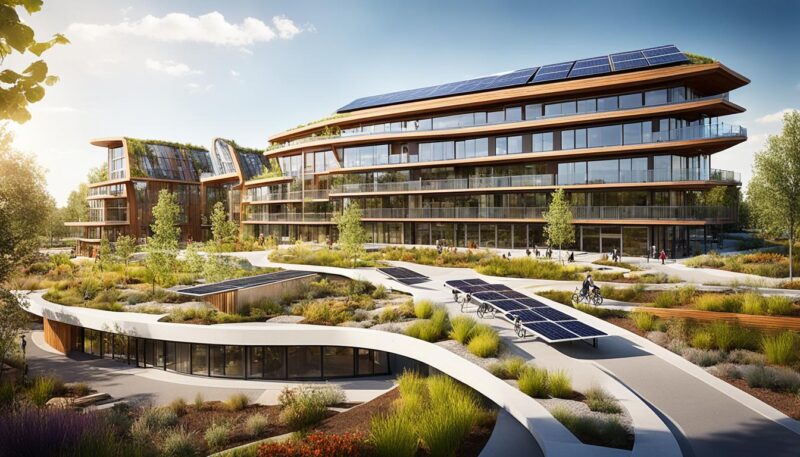
The move towards sustainable retail design shows a growing demand from consumers. They want stores to be environmentally friendly. Retailers are now using green practices and materials in their designs.
This not only helps the planet but also boosts their image. It attracts shoppers who care about the environment. Using eco-friendly stuff makes the brand look good.
Retailers are using energy-saving lights, recycled stuff, and cutting down on waste. These steps make their stores better for the planet. It also makes shopping a better experience for customers.
Also, green retail design can change how people shop. It makes them more likely to choose eco-friendly options. Stores that go green can win over more customers and keep them coming back.
In short, being green is key in today’s retail world. Stores that use eco-friendly stuff and practices help the planet. They also win over shoppers who care about the environment.
Adapting to Changing Consumer Behavior
Consumer expectations are changing fast, and retailers must keep up. The pandemic has made people want more from their shopping experiences. Now, they look for unique and personal experiences.
Retailers are working hard to create memorable moments for their customers. They’re adding interactive displays, hosting events, and offering workshops. This helps build strong connections with their customers.
Technology plays a big role in making shopping better. Retailers use it to offer personalized services and improve how they work. For example, data analytics help them understand what customers want and provide it.
It’s also key to blend online and offline shopping. Retailers are using omnichannel strategies to make shopping smooth across all platforms. This makes customers happy and boosts sales.
In short, retailers must adapt to keep up with changing consumer behavior. By understanding what customers want, they can create engaging experiences. This leads to loyalty and success in business.
Promoting Events and Interactive Experiences
Events and interactive experiences are key to a good retail strategy. Hosting in-store events can bring more people in and make shopping better. This leads to more people knowing about the brand and staying loyal.
Working with influencers and local businesses is also smart. It brings new people to stores. These partnerships create unique experiences that draw in new customers and build a community around the brand.
Events and interactive experiences can really pay off. Many stores see a big jump in sales and brand interest. For example, a well-organized event can make a lot of money if the space is rented out.
To make events and experiences count, focus on making them memorable and engaging. This could be anything from workshops and product launches to art shows and live music.
Investing in events and experiences helps stores stand out in a busy market. It boosts customer interaction and increases profits. As retail keeps changing, events and experiences will become even more important.
The Future of Retail Spaces
The future of retail is changing fast. New tech, different customer wants, and fresh design trends are leading the way. To keep up, retailers must be quick to adapt.
New tech is making retail exciting. Augmented reality (AR), virtual reality (VR), and artificial intelligence (AI) are changing how we shop. For example, AR lets customers try products virtually. AI chatbots offer personalized service.
Retail design is also getting a makeover. Stores are becoming places where customers want to stay longer. They now offer fun events and interactive displays. Plus, going green is big, with eco-friendly materials and energy-saving systems.
What customers want is also shifting. They want a smooth shopping experience online and offline. Retailers need to blend their online and offline stores. This means letting customers order online and pick up in-store, or return online buys in-store.
As retail keeps changing, staying up-to-date is key. Retailers must keep an eye on new trends and tech. This way, they can create spaces that attract customers and stay ahead in a fast-paced market. The future of retail will mix tech, green practices, and engaging experiences, shaping the commercial property world.
Conclusion: Embracing Change in Retail Spaces
Change is key for retailers to succeed in today’s market. By understanding trends and strategies, they can update their spaces to meet customer needs. This is important when buying or selling retail property.
Retailers need to create engaging, green, and tech-friendly spaces. This approach helps them stay ahead in a fast-changing market. Whether buying or selling, being adaptable and innovative is crucial.
Knowing what customers want and using local culture can help retailers create memorable experiences. This builds loyalty and keeps customers coming back. The future of retail depends on embracing change and keeping up with the market.