The COVID-19 pandemic has changed how we work and move around. Companies are now changing their teams and work styles.
Old Central Business Districts (CBDs) are being replaced by new office hubs. This shift is because of the need for flexible workspaces. Remote work, changing what employees want, and money matters are all playing a part.
Businesses are looking at their real estate again. This is leading to more demand for office spaces outside of the city center.
Key Takeaways
- The shift from CBDs to decentralized office hubs is driven by changing work arrangements and mobility patterns.
- Companies are adopting new working models, prioritizing flexibility and adaptability.
- The rise of remote work is influencing the demand for decentralized office spaces.
- Real estate portfolios are being re-evaluated to accommodate the changing needs of businesses.
- The trend towards decentralized office hubs is expected to continue in the commercial property sector.
Understanding the Concept of CBD
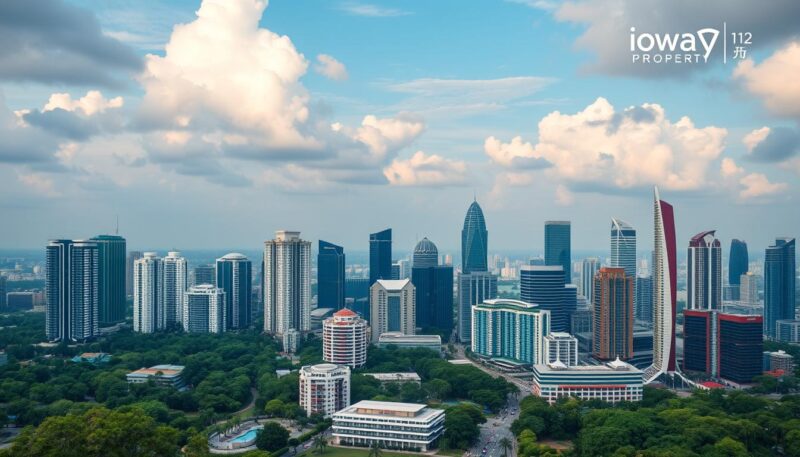
Central Business Districts (CBDs) are known for their high concentration of businesses and services. They are the heart of commercial activity. This makes them great for being close to clients, talent, and services.
CBDs are known for their dense office spaces and easy access. This makes them very appealing to businesses and investors. Properties near CBDs often increase in value because of the convenience and amenities they offer.
For investors, CBDs are a top choice for investment property. This is because there’s a high demand for office and commercial spaces. Good property management is key to keeping the value and appeal of these properties high.
It’s important to understand CBDs to see the move towards decentralized office hubs. The benefits and characteristics of CBDs are being rethought. This is due to changes in business needs and new technologies.
The Rise of Decentralized Office Hubs
Businesses are looking for more flexible workspaces. Decentralized office hubs are becoming popular. They let businesses pick locations that fit their needs better.
These hubs are seen as a good alternative to traditional CBDs. They offer lower costs. Businesses can save money by moving out of high-rent CBDs. This change also means more property listings in suburban areas.
Decentralized office hubs also offer more flexibility. Businesses can pick locations that are better for their employees. This can improve work-life balance and productivity. There are more property options available outside traditional CBDs.
The rise of decentralized office hubs is changing the property market. There’s more demand for properties in areas once seen as peripheral. This opens up new chances for businesses and investors to explore these emerging hubs.
In summary, decentralized office hubs are changing how businesses think about workspaces. They offer lower costs, more flexibility, and a wider range of properties. This makes them a great choice for companies looking to improve their real estate.
Factors Driving the Shift
The COVID-19 pandemic has made remote work more popular. Many employees now want flexible work options. This change affects commercial property and real estate, as companies rethink their office needs.
Remote work is leading to more decentralized office hubs. Employees don’t need to go to one place anymore. This means companies can find better and cheaper office spaces.
Economic factors also push for decentralized office hubs. Moving out of traditional city centers can save money. Companies get lower rent and less overhead.
This shift in office locations brings both chances and challenges for property developers. They must adjust to new demands. They also need to invest in office spaces that fit today’s business needs.
Impact of Technology on Office Spaces
Technology has changed how businesses design and manage offices. Tools for remote work let teams work together from anywhere. This has made companies rethink their office layouts, focusing on collaboration, creativity, and productivity.
Virtual reality (VR) is a big player in this change. It helps create interactive office designs. This lets businesses test and improve their spaces before they’re built. It makes the design process better and improves the work environment for employees.

Technology also changes how we manage and invest in office spaces. With more remote work, property managers and investors are updating their strategies. They’re adding smart building tech and flexible leases to meet business needs.
Good property management is key in this new world. It makes offices advanced and tailored to what workers need. Using data and digital tools, managers can make offices more efficient and productive.
As tech keeps getting better, office design and management will too. Businesses and property managers need to keep up with new tech and strategies. This will make the workplace better for everyone.
Environmental Considerations
Decentralized office hubs are leading the way in sustainable business practices. They offer a greener option compared to traditional office spaces. By using eco-friendly design, businesses can cut down their carbon footprint a lot.
One big environmental plus of decentralized office hubs is they help cut down on air pollution. This is because they reduce the need for long commutes. This is very important when thinking about where residential property is in relation to office spaces.
Choosing decentralized office hubs means businesses are not only good for the planet. They also make work environments healthier. This change is making the property for sale market focus more on sustainable and eco-friendly options.
These hubs are designed with green spaces, energy-saving systems, and sustainable materials. This makes them even more eco-friendly. So, property listings are now highlighting these features as major selling points.
As the push for sustainability grows, decentralized office hubs will become even more crucial. Businesses that care about the environment will attract more eco-aware clients and employees.
The Role of Co-Working Spaces
Co-working spaces are changing the commercial property market. Companies are choosing them for their flexibility and team work vibe. This is a big shift in how businesses use real estate.
These spaces fit all kinds of businesses, from small startups to big companies. They offer many amenities and services. This lets businesses grow or shrink as needed, fitting well in today’s fast-changing world.
Co-working spaces are also making property development more innovative. Developers are adding these spaces to their projects because people want them. This move is helping offices spread out from just the city centers.
Co-working spaces are making the property market and office hubs grow in new ways. As the market keeps changing, co-working spaces will play an even bigger role.
Real Estate Trends in the U.S.
The U.S. real estate industry is changing fast. More companies want flexible workspaces. This is because they need to be quick to adapt to new situations.
Decentralized office hubs are becoming popular. They offer flexibility and cost savings compared to traditional CBD locations.
The U.S. real estate market is going through big changes. Owners and managers of investment properties are adjusting. Property management companies are key in this shift, meeting the new needs of businesses.
As decentralization grows, we’ll see more new ideas in real estate and property management. This might include new office types and tech to better manage properties.
The future of commercial real estate in the U.S. looks different. With more businesses wanting flexible spaces, demand for traditional CBD offices will drop.
The Importance of Location
Location is key when it comes to decentralized office hubs. Businesses want places that offer a great quality of life. They also look for areas that are easy to get to and have lots of amenities for their employees.
A good location makes a decentralized office hub more appealing. It’s important to be close to homes, public transport, and local shops. Restaurants, gyms, and other services are also a big plus.

When looking at property for sale, businesses check the neighborhood’s quality. They look at safety, the environment, and community services. These factors are important.
Having residential property nearby is also a big plus. It lets employees live close to work. This cuts down on travel time and makes work-life balance better.
In short, the location of a decentralized office hub is very important. By picking a spot that’s good for living and easy to get to, businesses can make a better work place.
Employee Well-being and Productivity
Decentralized work environments are changing how businesses think about employee well-being and productivity. Moving away from traditional CBDs, companies find new ways to improve the work experience.
One big plus of decentralized office hubs is shorter commutes. Offices near homes mean less travel time. This leads to better work-life balance and job satisfaction. Employees are more refreshed and focused, boosting productivity.
Decentralized office hubs also offer flexibility. Businesses can change their commercial property to meet employee needs. This includes adding green spaces, better lighting, and more amenities. All these help create a healthier and more productive work place.
In property development, decentralized office hubs open new chances for investors. By building offices in suburbs or outskirts, investors can meet the demand for flexible workspaces. This could lead to higher returns on investment.
The move to decentralized office hubs is a smart choice for both employees and employers. It focuses on employee well-being and productivity. This leads to a more sustainable and successful commercial property strategy.
Challenges of Moving Away from CBDs
Switching from traditional CBDs to decentralized office hubs comes with its own set of challenges. Companies face a variety of obstacles when they consider this move. These challenges can affect their investment property and overall business strategy.
Logistical issues are a big concern. Managing remote teams and keeping a strong company culture can be tough. It’s hard when employees are in different places. Good property management is key to keep all offices running smoothly and supporting employee work.
Financial risks are another big challenge. Changes in property values can impact the market, leading to financial losses if not handled right. Companies need to think carefully about how these changes might affect their investment property. They must find ways to avoid any negative effects.
Also, understanding the local property market is crucial. This means knowing about local zoning laws, market trends, and available office spaces. By staying informed, businesses can make smart decisions that support their long-term goals and reduce risks.
In summary, while decentralized office hubs have many benefits, companies must be aware of the challenges they bring. By understanding the logistical and financial aspects and keeping up with the property market, businesses can overcome these hurdles. This way, they can make the most of their investment property.
Case Studies of Successful Decentralized Models
Looking at companies that use decentralized office hubs can help others stay ahead. These models cut costs and boost employee work. They are a smart choice for businesses.
Many big names have moved to decentralized hubs. They’ve seen big wins, like lower costs and happier workers. A tech giant moved to a hub and saved a lot of money. It also made its employees much happier.
A finance company also made the switch. It set up smaller hubs in different places. This move helped it find more talent and not rely on just one area.
Key Benefits Observed
Studies show big wins with decentralized hubs. Workers are happier, more productive, and the business is more agile. These hubs also help the environment and support sustainable real estate.
Decentralized models let companies quickly adapt to new needs. With hubs in many places, they can serve clients better. This keeps them ahead in a fast-changing world.
Challenges and Lessons Learned
But, there are hurdles to jump. Managing remote teams and keeping a strong company culture are tough. Keeping everyone connected is also a challenge.
Success stories show the need for careful planning. Companies that did well invested in good infrastructure and culture. They also used flexible management.
In short, moving to decentralized hubs is a big change for real estate and business. By learning from leaders, companies can face challenges and enjoy the benefits of this new trend.
Future Outlook for Property Markets
The commercial real estate world is changing fast. This is because of the move towards decentralized office hubs. Businesses are adapting to new needs and tech, shaping the property market.
Decentralized office hubs are changing what people want in property listings. There’s a growing need for flexible spaces with good amenities. This change could also affect where investors put their money, as they look for properties that meet business needs.
To keep up, businesses and investors need to know the latest in commercial real estate. This knowledge helps them make smart choices about property investments. It can lead to growth and success in the property market.