Singapore is a top spot for property investment, thanks to its stable politics, strong economy, and solid legal system. This makes it a magnet for investors worldwide. We’ll look at the top 10 areas in Singapore for property investment. We’ll see what makes these places grow and why they’re drawing in both local and foreign investors.
Key Takeaways
- Singapore’s property market offers a range of investment opportunities, from prime districts to emerging neighborhoods.
- Proximity to major infrastructure projects and transportation hubs can enhance property value and connectivity.
- Government initiatives and master plans play a crucial role in shaping the future of real estate development.
- Surrounding amenities and lifestyle offerings impact property value and quality of life for residents.
- Rental market dynamics, such as rental demand and yields, are important factors to consider for investment.
Prime Districts in Central Region
Singapore’s prime districts, like Districts 9, 10, and 11, are very popular for property investment. These areas are known for their central location and prestigious addresses. They are close to top amenities like shopping malls, international schools, and medical facilities.
Orchard Road, in the heart of District 9, is famous for its luxury fashion and high-end shopping. It’s also a favorite spot for tourists.
Properties in these prime areas usually keep their value well. They also offer good rental income, thanks to their appeal to expats and foreign investors. The Core Central Region (CCR) includes Orchard, Somerset, and Tanglin. The Rest of Central Region (RCR) covers areas like Queenstown and Tiong Bahru.
Luxury Properties in the CCR have prices over $2,300 per square foot. In contrast, the Outside Central Region (OCR) has more affordable condos, starting at $800 per square foot. The RCR has prices between the CCR and OCR.
The prime districts in Singapore’s central region draw both local and foreign investors. They seek Luxury Properties with strong value growth and good rental income.
Regional Business Hubs
Singapore aims to spread out business activities to areas like Jurong Lake District, Woodlands Regional Centre, and Tampines Regional Centre. These spots mix homes and offices, making them great for living and working.
Jurong Lake District is set to become Singapore’s second big business area. It plans to create 100,000 jobs and 20,000 homes. Tampines Regional Centre is a key spot for banks’ middle offices, helping with business planning.
Buying property in these hubs is smart. They grow with new jobs and better transport links. Singapore’s tax rate is 17%, but it offers special breaks that can lower it to 13.5% or less.
Big names like FedEx, ByteDance, and Alibaba have set up in Singapore. They see it as a key spot for growing their businesses. Singapore’s strong rules on data and patents also draw in tech and life sciences investments.
Waterfront Developments
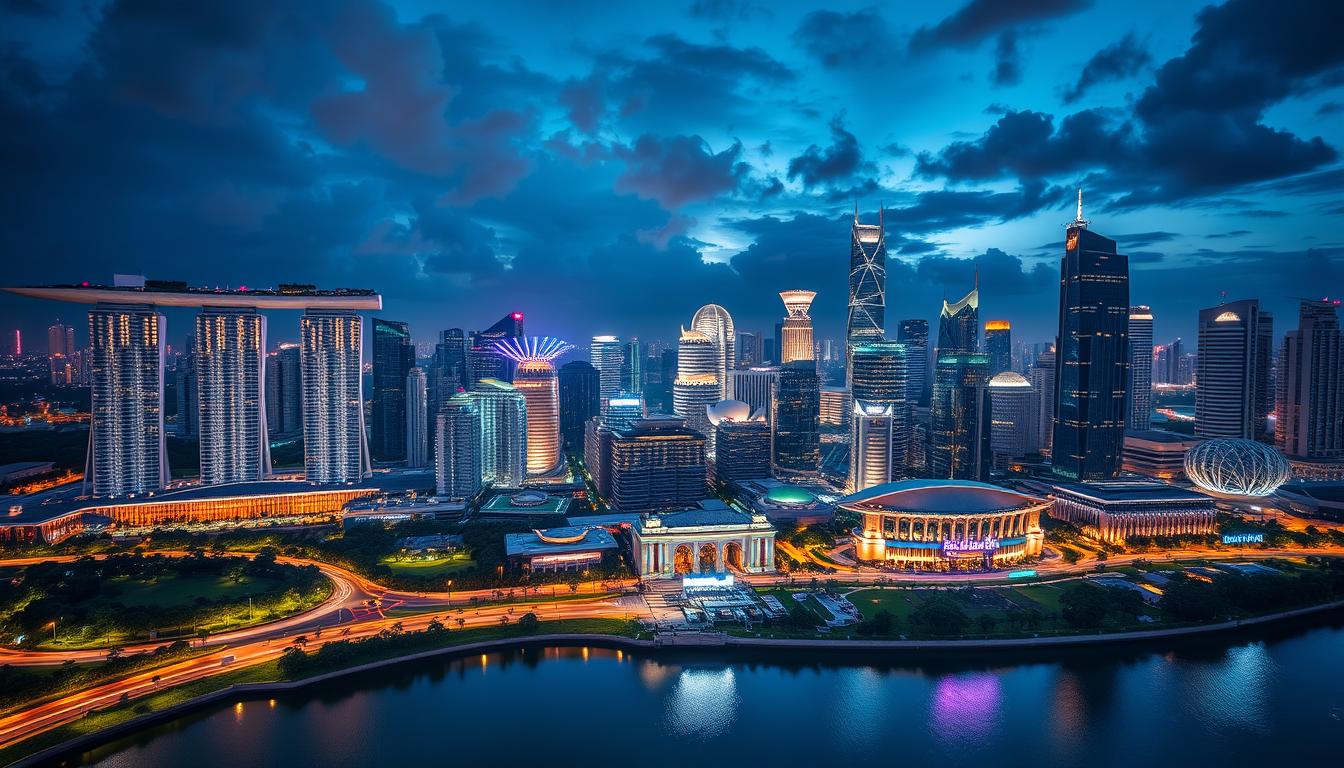
Singapore’s Marina Bay and Sentosa Cove are top picks for luxury waterfront homes. They offer a unique lifestyle with high-end homes, waterfront walks, fine dining, and fun activities. Buying a home here can be a smart move, as these areas tend to increase in value and offer a top-notch living experience.
Developers plan to build over 10,000 new homes in Marina South and Marina East. Prices for four-room BTO flats in Nicoll and Kampong Bugis will likely be between S$800,000 and S$899,000. These flats are expected to stay under the million-dollar mark.
The Greater Southern Waterfront project will cover 120km of the southern coast. It will add 800ha of land off East Coast Park. Marina South is already being developed for over 10,000 homes in a 45ha area. Tanjong Rhu will also see new homes added to its 5,000 units.
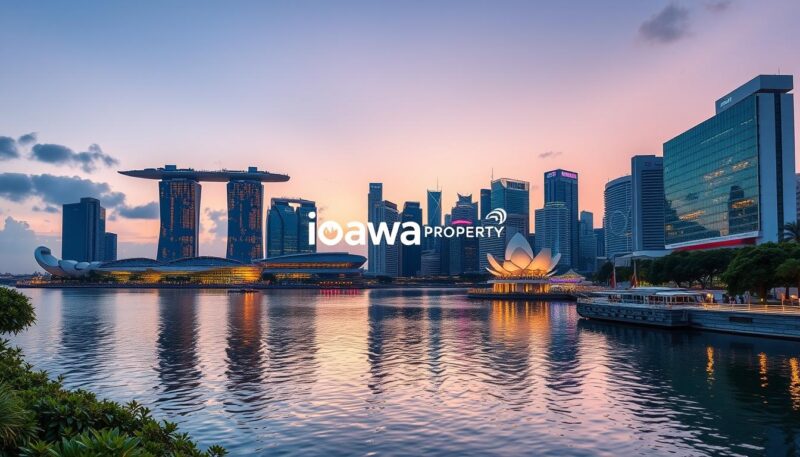
The waterfront living areas in Singapore are being developed slowly to avoid high housing prices. The aim is to build a lively, integrated community. With plans for the Sri Manmatha Karuneshvarar Temple and new amenities, these areas will become prime spots for luxury living in Singapore.
Emerging Neighborhoods
Singapore’s property market is changing, and smart investors are looking at new areas. Places like Paya Lebar, Kallang Riverside, and Punggol are getting big updates. They offer great chances for long-term growth.
Paya Lebar used to be mostly industrial but is now a lively mix of uses. The Paya Lebar Quarter is a huge project that brings new homes, shops, and lifestyle options. It’s drawing in businesses and people looking to buy homes.
Kallang Riverside is also changing fast, with new buildings along the water. It’s close to the city and becoming a popular place to live. This makes it a great choice for investors.
Punggol is known as Singapore’s “Waterfront Town” and is getting even better. The Punggol Digital District aims to make it a digital economy hub. This will attract more investors and residents.
These areas are set to become major spots in Singapore. By investing here, buyers can see their property value grow. They’ll also enjoy a lively, connected lifestyle.
Proximity to Transportation Hubs
In Singapore, homes near public transport hubs, especially MRT stations, are very popular. They offer easy access to the city’s MRT network. This makes them great for both renters and buyers, leading to steady income and value growth.
Studies show homes near new MRT stations see value increases soon after they’re announced. Prices may peak at first, then drop a bit during construction. But once the stations open, nearby property values often jump up, especially within 500 meters.
Properties closer to MRT stations usually cost more per square foot. For example, Eight Courtyards in Singapore costs $1,255 per square foot. This is a 12.25% premium over Canberra Residences, which costs $1,118 per square foot. Stars of Kovan also has a 7.2% higher average price per square foot than The Florence Residences.
The demand for homes near transport hubs in Singapore is high. This makes them great investment spots for both local and international buyers. As Singapore’s public transport grows, so will the value of Properties near MRT Singapore, Properties near Transportation Hubs Singapore, and Connectivity and Real Estate Singapore.
Singapore Property
Thinking about investing in Singapore real estate? It’s key to do your homework and team up with seasoned real estate agents. They know the market inside out. Look into top areas, business hubs, waterfront spots, and up-and-coming neighborhoods. This way, you can find property investment chances that fit your goals and risk level.
The Singapore property scene is always changing. New government rules, like higher Buyer’s Stamp Duty (BSD) and Additional Buyer’s Stamp Duty (ABSD), aim to slow down the market. These moves, along with rising interest rates, will likely slow things down. But the market’s long-term outlook is still bright.
If you’re looking to buy property in Singapore, know about the taxes involved. Property tax rates depend on the property’s value and if it’s for personal use. Being aware of these tax details helps investors make better choices. It also helps them get the most out of their investments in the complex Singapore real estate world.
Major Infrastructure Projects
Singapore’s real estate market is closely tied to the country’s ongoing infrastructure developments. Investors should closely examine the proximity of potential properties to established or upcoming major infrastructure projects. These projects, such as new expressways or the highly anticipated High-Speed Rail connection to Kuala Lumpur, can significantly enhance the connectivity and value of surrounding real estate.
Several major infrastructure initiatives are currently underway in Singapore, transforming the urban landscape and impacting the Singapore property and infrastructure landscape. The Guoco Midtown and Midtown II project by GuocoLand, a S$2.4 billion development in the Beach Road area, is expected to be completed by early 2024. The Greater Southern Waterfront redevelopment, covering a 2,000-hectare area with 30km of coastline, will bring new homes, office spaces, nature areas, and attractions to the city.
Other notable projects include the Jurong Lake District’s redevelopment, the Pasir Ris 8 and Pasir Ris Mall development, and the Lentor Modern project by GuocoLand. These developments, integrated with public transportation hubs, are poised to boost the appeal and value of nearby New Infrastructure in Singapore and Singapore Property and Infrastructure.

The impact of these major infrastructure projects on the real estate market cannot be overstated. Proximity to these developments can have a significant Impact on Infrastructure on Real Estate, influencing both rental demand and capital appreciation potential for surrounding properties. Savvy investors will closely monitor the progress of these infrastructure initiatives and assess their potential impact on the Singapore property market.
Government Initiatives and Master Plans
The Singapore government is key in shaping the country’s property scene. The URA Master Plan, updated every five years, shows the city’s future vision. The Draft Master Plan 2025 will focus on four main areas: creating a happy and healthy city, enabling sustainable growth, strengthening urban resilience, and preserving nature and heritage.
Upcoming events include the “Enabling Sustainable Growth: Shaping the Future of Work” exhibition. It will run from October 2024 to January 2025. There’s also an ideas competition for Reimagining Former Jurong Bird Park & Jurong Hill. The government is also seeking public input on Identity Corridors and Rail Corridor – Queensway Node design projects.
The Singapore government has a history of proactive housing policies. The Home Ownership for the People Scheme was introduced in 1964. It allowed CPF savings for downpayment and mortgage loan instalments. The Ethnic Integration Policy, started in 1989, ensures a balanced racial mix in public housing. Recent initiatives, like the Additional CPF Housing Grant and Parenthood Priority Scheme, aim to help lower-income and middle-income households own homes.
These initiatives, along with the URA Master Plan, show Singapore’s dedication to sustainable and inclusive urban development. By understanding the government’s property policies and future plans, investors can find promising areas for property investment. This way, they can benefit from the country’s growth.
Surrounding Amenities and Lifestyle
When looking at property investment in Singapore, the area’s amenities and lifestyle are key. Being close to shopping malls, parks, and restaurants can boost a property’s value. Properties near good schools, shopping centers, and hospitals usually cost more or rent out faster.
For example, Uptown @ Farrer is just a short walk from Farrer Park MRT and City Square Mall. It’s also near Farrer Park Hospital and other healthcare spots. Margaret Ville Condo is close to IKEA Alexandra and schools like International Anglo-Chinese School.
Marina One Residences is near Marina Bay Sands and Gardens by the Bay. This makes living there more fun and convenient. The upcoming Waterfront City project will add even more to the area. This makes it a great choice for investors looking for top amenities and lifestyle.
Rental Market Dynamics
Investors in Singapore need to know about the rental market. It’s important to understand rental demand, yields, and price trends. These insights help make smart investment choices. The rental market in Singapore has seen changes, showing what’s happening in the property world.
HDB and private property prices in Singapore have leveled off after rising. This balance affects the rental market. New homes can keep rental prices in check. Interest rates, the economy, and changes in the population also play a role in rental demand and prices.
Rental yields in Singapore are still attractive, especially in top areas and up-and-coming neighborhoods. Experts think rental demand will keep growing. This is because more people want to rent due to city living and lifestyle choices. But, the market faces challenges, like a 2.4% increase in private home vacancies from Q1 to Q3 2023.
Investors should keep an eye on Singapore Rental Yields, Rental Demand in Singapore, and Rental Price Trends Singapore. Knowing the rental market well helps investors make the most of their investments. It also helps them deal with the market’s ups and downs.
Capital Appreciation Potential
Exploring property investment in Singapore means looking at capital appreciation. The real estate market here shows strong growth over time. This makes Singapore a great place for investors looking for steady returns.
Things like new infrastructure, government plans, and area developments can change a property’s value. These factors are key to understanding a property’s future worth.
Singapore’s stable economy and strong currency help investors grow their capital. The property market also protects against inflation. This means investors can see their returns grow over time.
Investors can find areas with high growth potential in Singapore. Places near transport, schools, and shopping centers tend to grow more. Properties with modern features also see value increase.
Infrastructure and government projects can greatly boost property values. Areas like Jurong, Punggol, and Sengkang have seen big growth thanks to these investments. Knowing about the URA Master Plan helps investors find the best places to invest.
Entry Price and Value Assessment
Investors in the Singapore property market need to carefully look at the entry price and current value of a property. By finding undervalued properties, investors can get a good deal and see future growth. Researching past sales and market trends helps find properties with good entry prices and long-term value.
Real estate experts offer Entry Price and Value Assessment services. These services give a detailed look at potential property investments. They include comparing projects and analyzing market trends. This helps investors understand a property’s worth.
Financial analysis services also help. They check if a property fits with an investor’s financial situation and risk level. By finding profitable investments and planning for the future, these services help investors make smart choices and get the most from their investments.