
The Additional Buyer’s Stamp Duty (ABSD) is a big deal for those buying property in Singapore. Introduced in 2011, it’s a cooling measure to control the real estate market. It aims to stop speculative buying.
The ABSD rates have changed over time. The latest hike happened on April 27, 2023. Now, foreigners face a 60% ABSD rate. This is a big jump from the previous 30%.
This high rate is meant to slow down investment demand. It helps keep the housing market open for real home buyers.
Key Takeaways
- The ABSD is a tax levied on property purchases in Singapore, with rates varying based on buyer profile and property type.
- Foreigners now face a 60% ABSD rate, a steep increase from the previous 30%, making it more challenging for them to acquire Singapore condos and Singapore landed property.
- The ABSD aims to curb speculative investment and maintain affordability in the Singapore property investment market.
- The higher ABSD rates are expected to impact Singapore property prices and the overall Singapore property market.
- Seeking guidance from Singapore property agents and Singapore property developers is crucial for navigating the complex ABSD regulations.https://www.iowa-property.com/opportunities-and-challenges-to-foreign-investment-in-singapore-property/
What is the Additional Buyer’s Stamp Duty (ABSD)?
The Additional Buyer’s Stamp Duty (ABSD) is a tax added to the Buyer’s Stamp Duty (BSD) when buying residential property in Singapore. It was introduced in 2011 to control the housing market and stop speculative buying. The ABSD is based on the property’s purchase price or market value and must be paid by the buyer.
The rates of ABSD depend on the buyer’s status, like being a Singapore citizen, permanent resident, or foreigner. It also depends on how many properties they own. For example, first-time buyers who are Singapore citizens don’t have to pay ABSD. But those buying their second or more properties face rates of 20% and 30%, respectively.
Permanent residents and foreigners pay even more ABSD. PRs pay 5% on their first property, while foreigners pay 60% on any property. The rates have changed over time, with the latest updates in April 2023. These changes affect property prices and developers in Singapore.
Updated ABSD Rates as of 2024
The Singapore property market has seen big changes in the Additional Buyer’s Stamp Duty (ABSD) rates as of 2024. These updates aim to control investment demand. They also focus on making housing more affordable for Singaporeans.
Singapore citizens buying their second home now pay a 20% ABSD rate, up from 17%. For their third and later homes, the rate jumps to 30% from 25%. Permanent residents buying their second and third homes face rates of 30% and 35%, respectively, up from 25% and 30%.
Changes are even bigger for foreigners and non-housing developer groups. Foreigners buying any home now face a 60% ABSD rate, a big jump from 30%. Non-housing developer entities and trustees buying any home now face a 65% ABSD rate, up from 35%.
These big hikes in ABSD rates, especially for foreigners and entities, are part of the Singapore government’s plan. They want to keep the property market stable and affordable. This encourages more Singapore real estate ownership by Singaporeans and permanent residents.
Singapore Property Ownership by Buyer Profile
The Additional Buyer’s Stamp Duty (ABSD) in Singapore considers the buyer’s profile. This includes if they are a Singapore citizen, permanent resident, or foreigner. It also looks at how many residential properties they own. Singapore citizens buying their first home don’t have to pay ABSD, making it easier for them to own a home.
However, those buying their second or more homes face higher ABSD rates. This discourages owning too many properties. It helps make more homes available for first-time buyers.
Permanent residents and foreigners pay much higher ABSD rates. This is especially true for those buying more than one property. The goal is to control investment demand and keep housing affordable for Singaporeans.
This strategy aims to balance home ownership for locals with managing the property market. It ensures Singapore Condos, Landed Property, and other investments are available to Singaporeans. At the same time, it attracts responsible foreign investment in the Singapore Property market.
Foreigners’ ABSD Rates for Singapore Property
The government has raised the Additional Buyer’s Stamp Duty (ABSD) for foreign buyers in Singapore. Starting 2024, foreigners buying any residential property will now pay a 60% ABSD rate. This is a big jump from the previous 30% rate.
This change aims to reduce speculative investments by non-residents. It makes the housing market more aligned with local needs. The goal is to keep the market affordable for Singaporeans.
Since May 2023 to April 2024, foreign buyers bought only 306 condominium units. This is a 71% drop from the year before. Their share of condo sales fell from 5.4% to 1.8%.
In the Core Central Region (CCR), foreign buyers’ share of condo sales dropped from 14% to 6%. Sales in the CCR fell by 36.6%.
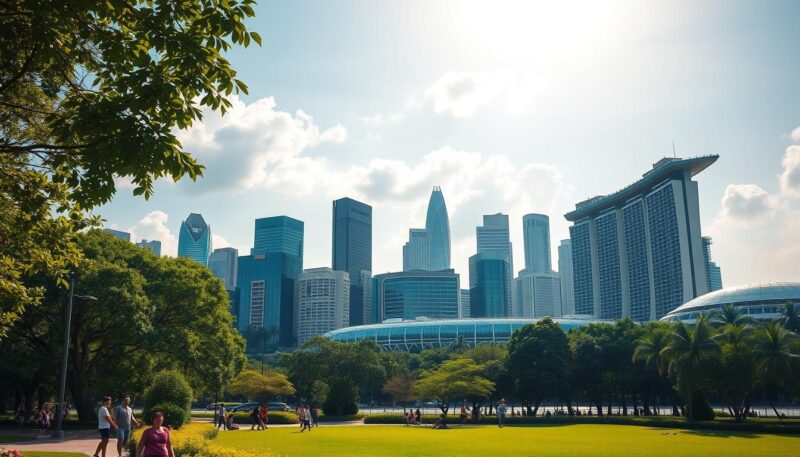
The government’s moves to control foreign investment are clear. The latest ABSD rate changes show this. As the market changes, foreign investors need to keep up with regulations and plan their investments wisely.
Entities and Housing Developers’ ABSD Rates
The Singapore government has taken steps to manage the property market. They’ve changed the Additional Buyer’s Stamp Duty (ABSD) rates for different groups. This includes non-housing-developer entities and housing developers buying homes in Singapore.
Starting in 2024, non-housing-developer entities like companies will pay a 65% ABSD rate. This is up from 35%. The goal is to make it harder for investors to buy homes and help real buyers find their place in the market.
Housing developers in Singapore now face a 35% ABSD rate. There’s also a 5% non-remittable rate. These rules are meant to slow down the market. They aim to keep the market balanced and healthy for condos and landed properties.
The government wants to make sure real buyers can invest in property. They’re trying to stop investors from pushing up prices. This is part of their plan to keep the property market stable and fair for everyone.
Calculating ABSD: Examples and Scenarios
Understanding the Additional Buyer’s Stamp Duty (ABSD) is key for property buyers in Singapore. The ABSD is based on the property’s purchase price or market value. Let’s look at some examples to see how it works.
A Singapore citizen buying their second home worth $1.5 million must pay $300,000 in ABSD. This is 20% of the property’s value. A foreigner buying a $2 million home would pay $1.2 million in ABSD, or 60% of the price.
A Singapore permanent resident buying their first $800,000 home pays $40,000 in ABSD. This is 5% of the property’s value. It’s important to remember that in joint purchases, the highest ABSD rate is used.
These examples show how the ABSD can affect property deals in Singapore. Buyers, whether citizens, permanent residents, or foreigners, must consider the ABSD when investing in Singapore Property. This ensures they make smart choices.
ABSD Exemptions and Rebates
The Additional Buyers Stamp Duty (ABSD) in Singapore has rules for exemptions and rebates. These rules help different buyers own property and make transactions smoother.
Singapore citizens buying their first home don’t have to pay ABSD. Foreigners and permanent residents from some countries also get the same break for their first property. This makes starting to own a home easier.
Some family transfers might not have to pay ABSD. Married couples with different residency statuses could get rebates. Developers also get a chance to have some of the ABSD they pay back, but not all.
Getting legal advice is a good idea to understand ABSD rules better. Knowing who can get exemptions and rebates helps buyers and investors in Singapore. It makes their property deals more successful.
Implications for Foreign Property Investors
The ABSD rates for foreigners have gone up a lot. Now, foreigners pay 60% ABSD for any residential property. This big increase makes it harder for them to invest in Singapore’s property market.
This change helps the government make housing more affordable for locals. It also keeps the property market stable. Foreign investors now have to pay more and face less incentive to buy property here. They might look for other places to invest in Singapore’s real estate.
Even with these challenges, Singapore’s property market is still appealing to smart investors. The country’s strong economy, new infrastructure, and growing population keep demand high. But, foreign investors need to understand the new rules and consider legal, tax, and management issues to succeed in Singapore.
Legal Considerations and Professional Advice
Buying property in Singapore can be complex and costly. It’s important to get professional help. Whether you’re a local or a foreign buyer, understanding ABSD rules is key. This ensures you follow the law and save money.
The rules for ABSD can be tricky. Not following them can cost you benefits. The IRAS can also add a 50% surcharge if they find tax avoidance. Talking to experienced agents or lawyers can guide you through these legal issues.
Buying property in Singapore is more than just a deal. It involves understanding the housing market and rules like ABSD. Getting advice from experts can help you make smart choices. This way, you can enjoy the benefits of your investment without risks.
Government’s Objectives in Revising ABSD Rates
The Singapore government has set clear goals for revising the Additional Buyer’s Stamp Duty (ABSD) rates. The main aim is to stop speculative buying and control investment demand. This is especially true for foreigners and entities to keep housing affordable for locals.
By raising ABSD rates for these groups, the government wants to discourage buying multiple properties. It aims to help genuine home buyers find their dream homes.
The government also wants to stabilize the property market and avoid a property bubble. The new ABSD rates, starting April 27, 2023, will affect about 10% of property deals, based on 2022 data. This move helps manage investment and supports true home ownership in Singapore.
The government’s plan to change ABSD rates is part of a bigger effort to balance the housing market. It will work with more housing supply to meet demand. This way, the government hopes to keep the market stable and affordable for everyone in Singapore.