
Are you concerned about the rapid development and modernization of Singapore’s cityscape? Do you fear that the architectural heritage of the city will soon disappear? If so, you are not alone. Many are worried about the loss of Singapore’s unique and diverse architectural legacy. In this article, we will explore why this is a pressing issue and what can be done to preserve the city’s rich history.
The History of Singapore’s Architecture
Singapore’s rich architectural heritage is a reflection of its diverse history and culture. From colonial structures to modern skyscrapers, each building tells a unique story of the city-state’s evolution. In this section, we will take a journey through time and explore the different eras of Singapore’s architecture. We will delve into the distinct styles and influences of colonial architecture, post-independence architecture, and modern architecture, and how they have shaped Singapore’s urban landscape.
1. Colonial Architecture
Singapore’s colonial architecture reflects the influence of British, Dutch, and Portuguese styles, characterized by:
- Neoclassical design elements such as columns and pediments
- Verandahs and louvred shutters for ventilation
- Large windows and spacious interiors
To preserve this heritage, restoration projects should maintain the original features, educate the public on its historical significance, and integrate colonial buildings into modern urban planning while ensuring their structural integrity.
2. Post-Independence Architecture
Post-independence architecture in Singapore is a reflection of the nation’s journey from a British colony to a modern metropolis. It is a unique blend of traditional and contemporary styles, symbolizing Singapore’s development and cultural evolution.
In 1965, after gaining independence, Singapore embarked on a mission to establish its own architectural identity. This led to the construction of iconic buildings such as the Theatres on the Bay and the Esplanade, which served as symbols of the nation’s aspiration to create a distinct post-independence architectural landscape.
3. Modern Architecture
Modern architecture in Singapore is defined by its innovative designs, use of sustainable materials, and incorporation of technological advancements. Some notable modern structures include:
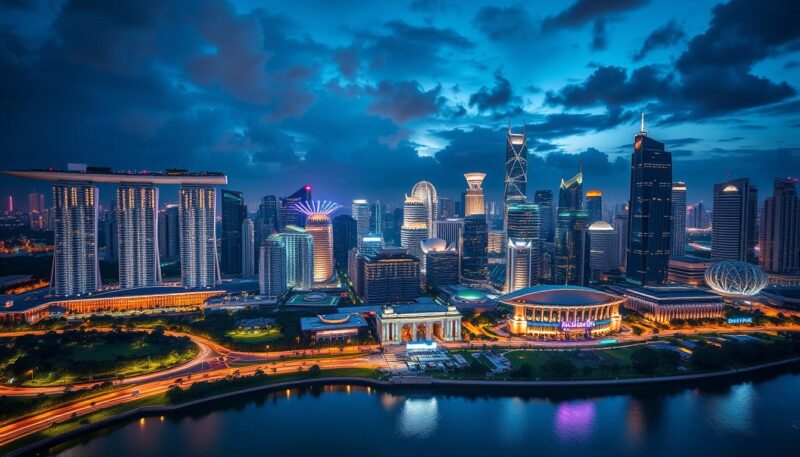
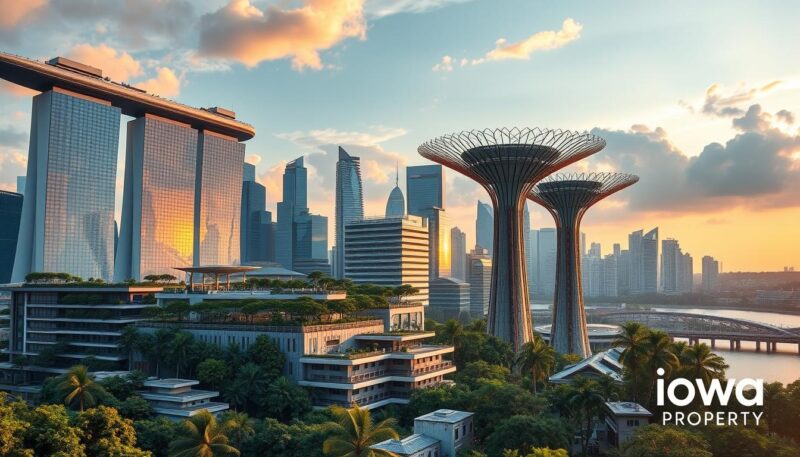
- The Marina Bay Sands resort, famous for its unique three-tower design.
- The environmentally-friendly Gardens by the Bay.
These impressive architectural feats seamlessly combine functionality with artistic expression, shaping the city’s skyline and embodying its progressive mindset.
Why is it Important to Preserve Singapore’s Architectural Legacy?
Singapore is a city that is constantly evolving, with new buildings and structures popping up every year. However, as we move towards a more modern and technologically advanced society, it is crucial to remember and preserve the architectural legacy that has shaped the city’s identity. In this section, we will discuss the importance of preserving Singapore’s architectural legacy, from its cultural identity to its historical significance, and even its impact on tourism and the economy.
1. Cultural Identity
- Understanding cultural identity: Recognizing the diverse cultural influences that have shaped Singapore’s architectural heritage.
- Preserving historical architectural elements: Safeguarding traditional building styles, materials, and designs that represent the cultural identity of Singapore.
- Engaging local communities: Involving residents in the preservation and promotion of architectural landmarks linked to Singapore’s cultural identity.
2. Historical Significance
Historical significance is a crucial aspect of Singapore’s architectural legacy, shaping the nation’s narrative and reflecting its journey from colonial rule to independence. Notable landmarks like the Victoria Theatre and Empress Place Building symbolize pivotal historical events and architectural milestones, underscoring the importance of preserving these edifices for future generations.
Fact: The Victoria Theatre and Concert Hall, a significant cultural institution in Singapore, is a prime example of the importance of historical significance in architecture. This colonial-era building has been meticulously restored to its former glory, showcasing its enduring impact on the country’s cultural landscape.
3. Tourism and Economy
- Attracting Visitors: Preserving historical architecture can attract tourists interested in cultural heritage, boosting revenue from tourism.
- Economic Growth: Restoration projects and adaptive reuse can stimulate job creation and support local businesses, contributing to overall economic growth.
- Heritage Tourism: Emphasizing the architectural legacy of Singapore can establish it as a top heritage destination, attracting tourists interested in heritage and further enhancing the local economy.
Suggestions: Utilizing the architectural legacy to develop heritage tours and promoting events with a heritage theme can further elevate the benefits of tourism and boost the economy.
Challenges in Preserving Singapore’s Architectural Legacy
As Singapore continues to progress and modernize, the preservation of its architectural legacy faces various challenges. These challenges arise from the rapid urban development and land use in the city-state, the lack of awareness and appreciation for historical buildings, and the ongoing maintenance and conservation efforts required to preserve these structures. In this section, we will delve into each of these challenges and explore their impact on the preservation of Singapore’s architectural heritage.
1. Urban Development and Land Use
- Assess current land use: Analyze the current allocation of land, identifying potential areas for architectural preservation.
- Regulate urban development: Implement zoning regulations, setting aside areas with historical or cultural significance for preservation.
- Engage in sustainable urban planning: Integrate preservation efforts into urban development plans, ensuring minimal impact on historical sites.
2. Lack of Awareness and Appreciation
The lack of awareness and appreciation for Singapore’s architectural legacy is clearly evident, as there is limited public understanding of the historical and cultural significance of buildings. A large number of individuals are unaware of the importance of architectural preservation and do not realize the consequences of demolishing heritage sites. Therefore, there is an urgent need for comprehensive educational initiatives to promote appreciation and understanding of Singapore’s architectural heritage.
3. Maintenance and Conservation
- Regular Inspection: Implement routine checks for structural integrity, water damage, and other signs of wear and tear.
- Timely Repairs: Address any identified issues promptly to prevent further deterioration.
- Conservation Planning: Develop a comprehensive plan outlining maintenance and conservation schedules, methods, and techniques.
Pro-tip: Engage professional conservationists to ensure effective preservation and maintenance of historical architectural structures. For long-term maintenance and conservation, it is recommended to consult with experienced professionals in the field.
Efforts and Initiatives in Preserving Singapore’s Architectural Legacy
Singapore’s architectural heritage is a valuable part of its history and identity. In this section, we will take a look at the efforts and initiatives in place to preserve and protect this legacy for future generations. From conservation and restoration projects to the creative adaptive reuse of buildings, we will explore the various methods being used to safeguard Singapore’s architectural gems. Additionally, we will discuss the importance of education and outreach programs in raising awareness and appreciation for the city-state’s rich architectural heritage.
1. Conservation and Restoration Projects
- Assessment: Evaluate the historical and architectural significance of the building.
- Planning: Develop a comprehensive restoration plan, outlining preservation objectives and methods for conservation and restoration projects.
- Research: Conduct in-depth research on the building’s original construction and materials for conservation and restoration projects.
- Documentation: Create detailed documentation of the building’s current condition and any previous modifications for conservation and restoration purposes.
- Engagement: Collaborate with preservation experts, architects, and community members to ensure a holistic approach for conservation and restoration projects.
Conservation and restoration projects play a crucial role in safeguarding Singapore’s rich architectural heritage, preserving its diverse historical narratives for future generations.
2. Adaptive Reuse of Buildings
- Assess Building Potential: Evaluate historical, cultural, and architectural value.
- Repurpose Design: Modify structures for new functions while preserving original features.
- Sustainable Practices: Implement eco-friendly materials and energy-efficient systems.
Pro-tip: When undertaking the adaptive reuse of buildings, it is important to maintain the integrity of the original design in order to honor its historical and cultural significance.
3. Education and Outreach Programs
- Develop educational programs focused on architectural history, preservation techniques, and the significance of Singapore’s architecture.
- Organize outreach events such as heritage walks, architectural tours, and exhibitions to engage the community and raise awareness.
- Collaborate with schools, universities, and local organizations to incorporate architectural conservation into curriculums and community initiatives.
The Future of Singapore’s Architectural Legacy
As Singapore continues to evolve and develop, the preservation of its architectural legacy becomes an increasingly important topic. In this section, we will examine the future of Singapore’s architectural legacy and the challenges that come with balancing preservation and development. We will also discuss the importance of incorporating sustainable practices in preserving these structures for future generations. Lastly, we will explore the role of community involvement and engagement in ensuring the longevity of Singapore’s architectural heritage.
1. Balancing Preservation and Development
- Conduct comprehensive assessments to identify structures of historical and cultural significance.
- Implement zoning regulations to protect heritage sites from incompatible developments while balancing preservation and development.
- Foster collaborations between developers, heritage experts, and community stakeholders to find mutually beneficial solutions that balance the preservation of heritage sites with development needs.
2. Incorporating Sustainable Practices
- Implementing green building design and technologies, such as solar panels and energy-efficient systems, is just one way of incorporating sustainable practices.
- Using sustainable materials like recycled steel and wood in construction and renovation projects is another important aspect.
- Emphasizing water conservation through rainwater harvesting and efficient plumbing systems is also crucial in promoting sustainability.
Fact: Singapore’s commitment to sustainable architecture has resulted in a 40% reduction in energy consumption for newly constructed buildings in the last decade.
3. Community Involvement and Engagement
- Community Participation: Encourage local communities to actively participate in preserving architectural heritage through volunteer programs and community events.
- Collaborative Projects: Foster partnerships between local authorities, architectural organizations, and community groups to promote the preservation of historical buildings.
- Public Awareness: Organize educational workshops, heritage trails, and public forums to engage the community in understanding the value of architectural legacy and encourage community involvement and engagement.